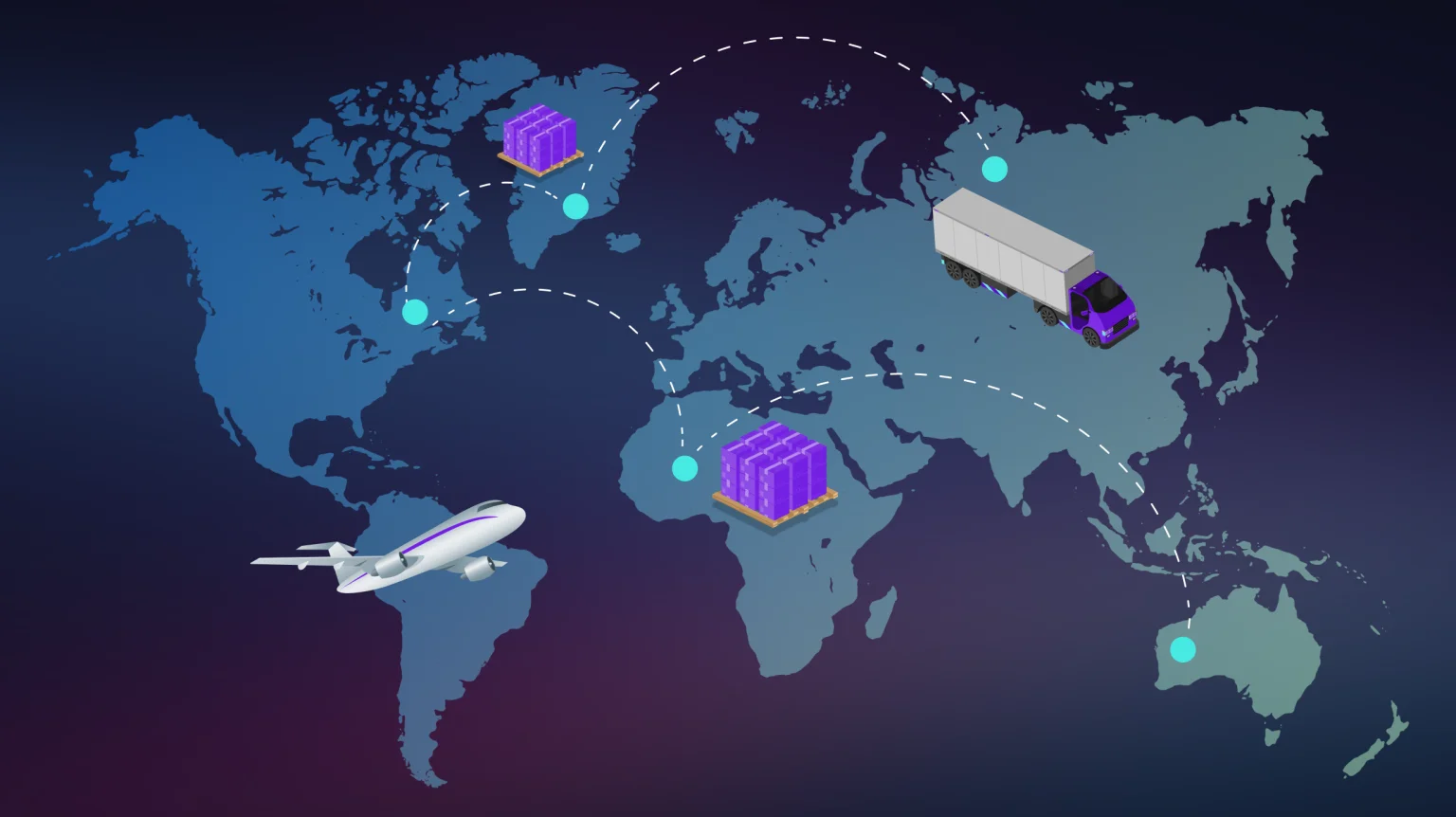
Major shipping hubs around the world are accelerating the adoption of artificial intelligence to improve cargo management and reduce delivery delays. Port authorities in Asia, Europe, and North America are investing heavily in predictive analytics systems that can estimate congestion levels, optimize docking schedules, and monitor container movement in real time. Industry analysts believe the shift could significantly lower transportation costs and help stabilize global trade after years of disruption caused by pandemics, geopolitical conflicts, and rising fuel prices. Several logistics firms have reported that AI-powered systems reduced unloading times by nearly 20 percent during pilot programs. These systems analyze weather conditions, customs processing times, and vessel traffic patterns to recommend more efficient shipping routes. Experts argue that this technology could become essential as global demand for consumer goods continues to increase. Despite the optimism, labor unions have raised concerns about automation replacing human workers in warehouses and ports. Representatives from transportation unions are demanding new labor agreements that guarantee retraining opportunities and stronger protections for employees affected by automation. Governments are now under pressure to balance technological progress with employment stability. Investors have responded positively to the trend, with technology providers focused on logistics software seeing increased market valuations. Economists predict that countries investing early in digital infrastructure may gain a competitive advantage in international trade over the next decade. As global commerce becomes more dependent on fast and efficient delivery systems, experts expect AI-driven logistics to play a central role in shaping the future of supply chains.
Global Supply Chains Shift as Ports Adopt AI Logistics